Devon Foster · 23 October 2026
The Impact of Digital Connectivity on Traditional Crafts in Secluded Highland Settlements
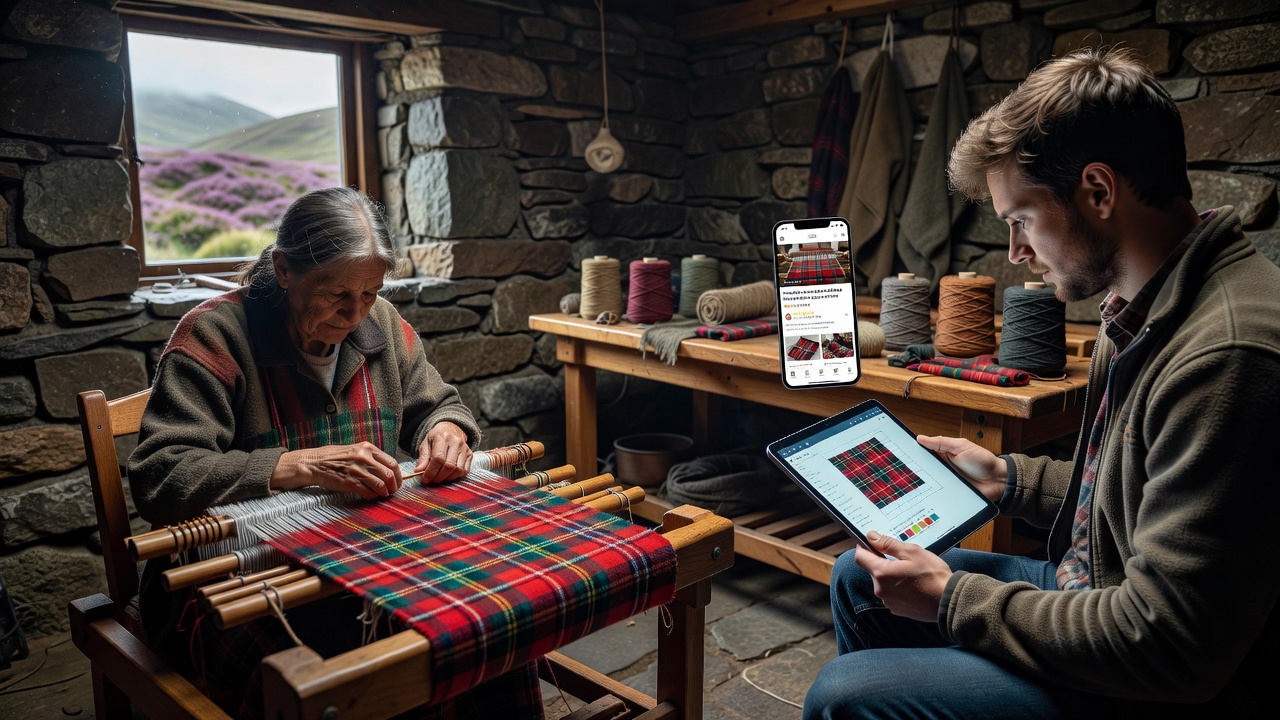
Digital connectivity has reached secluded highland settlements across regions like the Andes, Himalayas, and Scottish uplands, bringing changes to how traditional crafts are produced, marketed, and preserved. Research from mountain development organizations indicates that broadband expansion since the early 2020s has connected villages previously isolated by terrain, allowing artisans to access online platforms for sales and technique sharing. Data shows increased participation in e-commerce among craft communities in these areas, with sales channels expanding beyond local markets.
Expansion of Market Access and Production Methods
Highland weavers and woodcarvers now upload product images to global marketplaces, which enables direct transactions with buyers in urban centers. Studies conducted by integrated mountain research groups reveal that connectivity has reduced reliance on middlemen, raising average earnings for participating households by measurable margins between 2022 and 2025. Artisans combine traditional techniques with digital design software to create variations that appeal to wider audiences while maintaining core patterns passed down through generations. In one documented case from Himalayan settlements, potters adopted online tutorials to refine glazing methods without abandoning hand-forming processes.
Cultural Documentation and Knowledge Transfer
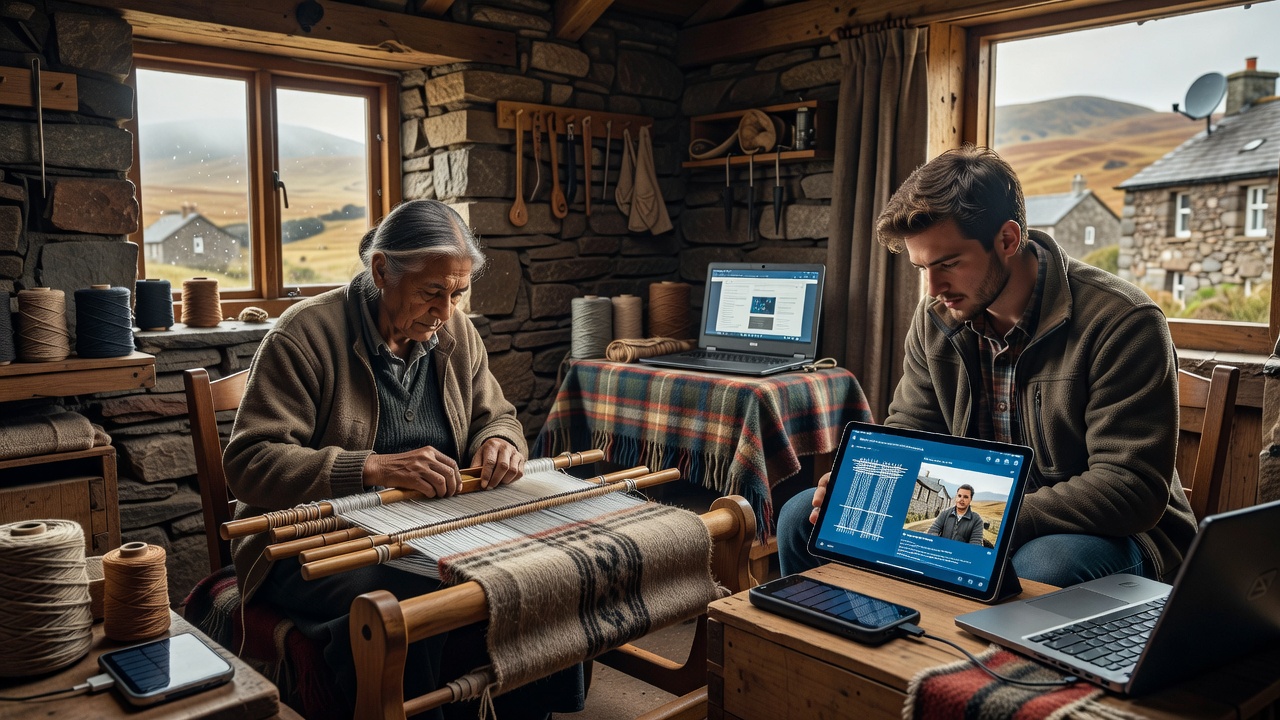
Digital tools support the recording of oral instructions and visual demonstrations that preserve craft knowledge. Observers note that elders in Andean communities have collaborated with younger residents to film step-by-step demonstrations of textile dyeing, storing these files on shared cloud platforms accessible during seasonal migrations. Figures from cultural heritage databases indicate a rise in documented intangible practices from highland zones since connectivity projects accelerated in 2023. Yet researchers also record instances where younger practitioners prioritize digitally influenced motifs over older symbolic elements, altering the visual language of certain items over time.
Connectivity arrived unevenly, with some valleys gaining reliable signals earlier than others due to topography and infrastructure priorities. Government reports from South American and Central Asian agencies highlight that satellite and fiber initiatives completed between 2021 and 2024 reached over 60 percent of targeted highland clusters, though gaps persist in the most remote clusters. These connections coincide with seasonal shifts in October 2026 when several regional networks plan upgrades to support higher data volumes for video-based craft instruction.
Economic Patterns and Supply Chain Adjustments
Supply chains for raw materials have adjusted as artisans order specialty yarns or pigments through digital catalogs rather than waiting for periodic trader visits. Trade data compiled by international development institutions demonstrates that delivery times for inputs dropped substantially in connected settlements, supporting steadier production cycles. At the same time, competition from mass-produced replicas sold online has pressured some traditional makers to differentiate through certifications of origin that verify handmade status and local sourcing. Economic analyses from university research centers in Europe and Asia show mixed outcomes, with net income gains concentrated among those who combine online visibility with consistent quality standards.
Challenges in Skill Continuity and Material Integrity
Observers document concerns that screen-based learning sometimes substitutes for apprenticeship time spent beside master craftspeople, which can affect the tactile precision required for certain techniques. Longitudinal observations in Scottish highland textile groups indicate that while digital archives aid quick reference, they do not fully replicate the iterative feedback received during in-person sessions. Environmental factors compound these issues because many highland materials remain sensitive to climate variations that digital monitoring has only recently begun to track in real time. Reports from environmental agencies note that connected communities now log weather impacts on fiber crops more systematically, yet this data does not always translate into adjusted harvesting schedules without additional training.
Policy responses have emerged in parallel. National programs in multiple highland countries now pair connectivity grants with craft preservation modules that emphasize both digital marketing and continued hands-on transmission. Evaluation summaries released ahead of planned October 2026 reviews indicate early success in villages where training combined both elements, producing measurable retention rates for core skills alongside expanded digital portfolios.
Conclusion
Connectivity continues to reshape traditional crafts in secluded highland settlements through expanded reach, altered learning pathways, and evolving economic structures. Research indicates measurable shifts in sales, documentation practices, and material sourcing, while also highlighting areas where continuity of technique requires deliberate support. Data from ongoing monitoring efforts will clarify long-term patterns as infrastructure matures through 2026 and beyond.