Devon Foster · 20 November 2026
Investigating Telemedicine Adoption Rates Among Residents of Isolated Mountain Communities
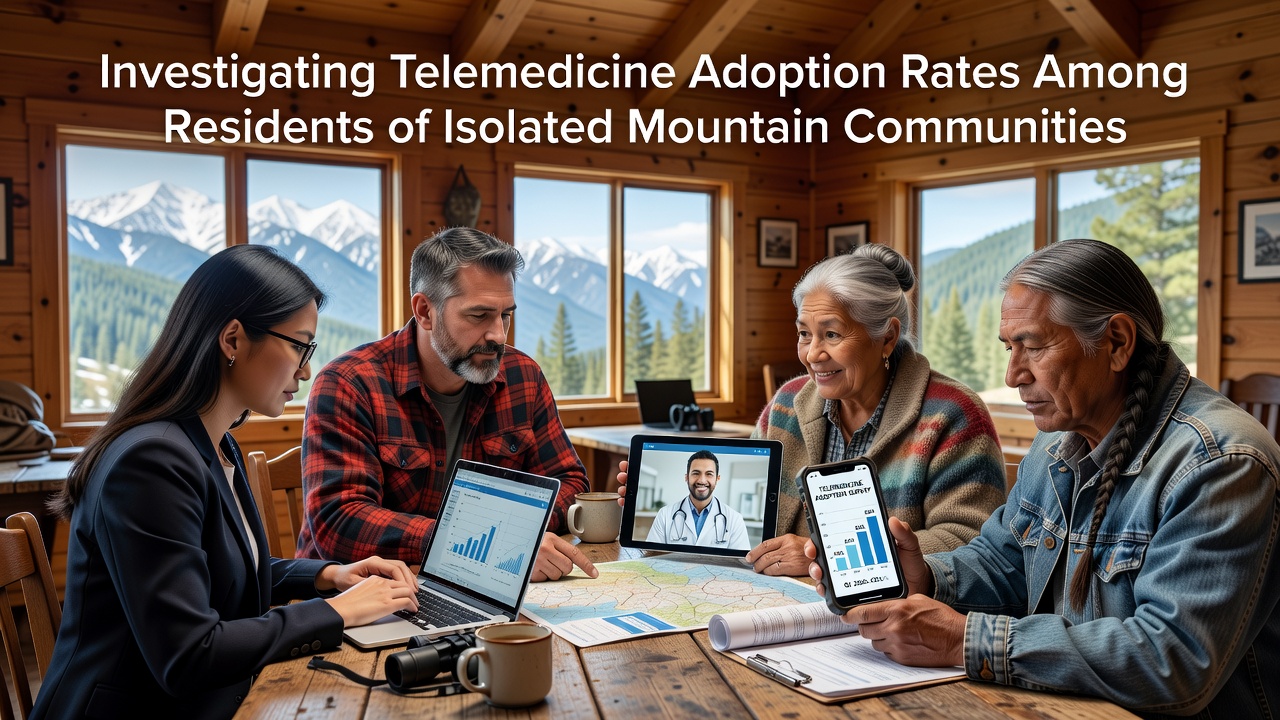
Researchers tracking healthcare access have documented steady shifts in how telemedicine reaches residents living in remote high-elevation areas, and data compiled through 2026 continue to show measurable differences compared with urban and lowland populations. Government agencies and academic teams have collected usage statistics across multiple mountain regions, revealing adoption patterns that depend on connectivity, device availability, and local health service coordination. Figures released in November 2026 from several ongoing surveillance programs indicate that roughly 38 percent of households in selected isolated communities now report at least one virtual consultation within the preceding twelve months, a rise from 29 percent recorded two years earlier.
Regional Data Patterns and Measurement Methods
Health departments in the western United States, the Canadian Rockies, and parts of the European Alps have applied comparable survey instruments to track these trends, and the resulting datasets allow cross-border comparisons while accounting for differences in broadband availability and seasonal weather disruptions. Analysts note that adoption climbs when communities gain fiber or 5G backhaul, yet plateaus persist where satellite latency remains high or where residents share single devices among multiple generations. One multi-year project coordinated by university teams in Colorado and Alberta found that communities above 2,500 meters elevation experienced a 14 percent slower uptake rate than matched sites at lower altitudes, primarily because of prolonged winter access limitations and variable electricity reliability.
Demographic Influences on Utilization
Age distribution, language preferences, and prior experience with digital tools shape participation levels, while studies consistently link higher adoption among residents who already manage chronic conditions such as diabetes or cardiovascular disease. Public health records show that individuals aged 65 and older in these mountain settings schedule virtual follow-ups at rates 22 percent below those recorded for adults aged 35 to 50, although the gap narrows when clinics provide simplified interfaces and scheduled technician assistance. Researchers have also observed that households with school-age children often adopt video visits more readily, since families already maintain video platforms for education during periods of road closure.
Connectivity Infrastructure and Policy Developments
Broadband expansion programs launched between 2023 and 2026 have delivered new microwave and fiber links to several previously unserved valleys, and November 2026 updates from federal agencies confirm that an additional 1,200 households across three mountain counties gained minimum-speed connections during the prior quarter. These infrastructure gains coincide wth revised reimbursement rules that allow Medicaid and provincial health plans to cover a broader set of remote specialty consultations, thereby reducing out-of-pocket costs that previously deterred use. Regulatory bodies in Canada and the European Union have issued updated guidance documents emphasizing equitable access metrics, and pilot projects now test store-and-forward imaging combined with real-time audio for dermatology and orthopedics referrals originating from remote clinics.
Barriers Identified Through Field Studies
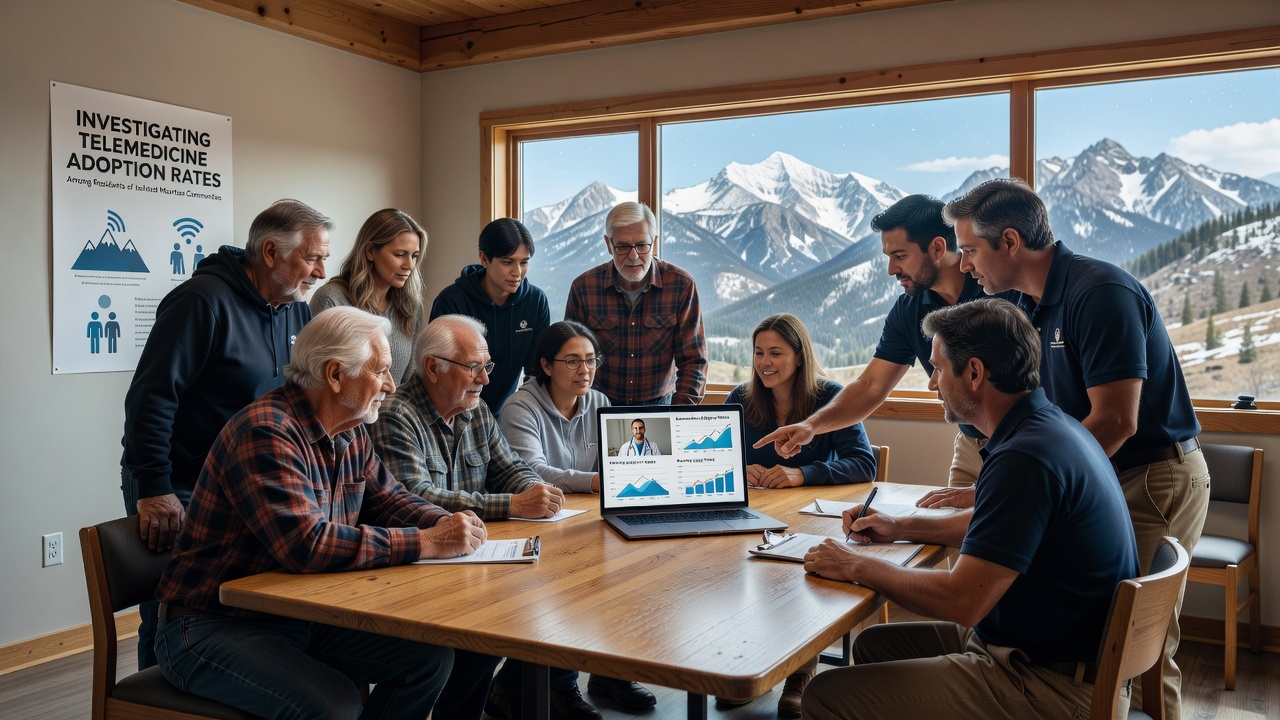
Field teams conducting door-to-door interviews report recurring obstacles that include limited private spaces for confidential calls, distrust of automated translation services, and concerns about data security when using shared community Wi-Fi. Observers note that seasonal migration patterns further complicate follow-up, because many residents relocate to lower elevations for winter employment yet retain primary care relationships in their home communities. Training programs that place local health navigators in village centers have produced documented increases in successful first-time logins, with one evaluation reporting a 31 percent improvement in completion rates after six months of navigator support.
Emerging Models and Technology Integration
Integrated care networks now combine telemedicine with periodic mobile clinic visits, and several counties have deployed solar-powered telehealth kiosks that maintain functionality during multi-day power outages. Data from these deployments indicate that kiosk usage peaks during spring and fall shoulder seasons when road access improves yet specialist travel remains limited. Partnerships between regional hospitals and satellite providers have introduced low-latency terminals that support higher-resolution imaging, and preliminary results released in late 2026 show diagnostic concordance rates above 90 percent for common cardiac and respiratory assessments conducted through these terminals.
Conclusion
Continued monitoring through 2027 and beyond will clarify how infrastructure upgrades, policy adjustments, and community-based support interact to shape long-term adoption trajectories. Government statistical agencies and independent research groups plan additional waves of household surveys timed to coincide with new connectivity milestones, while academic centers refine analytical models that isolate the effects of elevation, weather, and demographic composition. The evidence accumulated thus far demonstrates that measurable progress has occurred, yet persistent gaps remain tied to geography, device access, and trust factors that require sustained attention from multiple sectors.