Jakob Lang · 6 November 2026
Balancing Heritage Preservation with Technological Advancement in Secluded Mountain Hamlets Such as Aspencrest
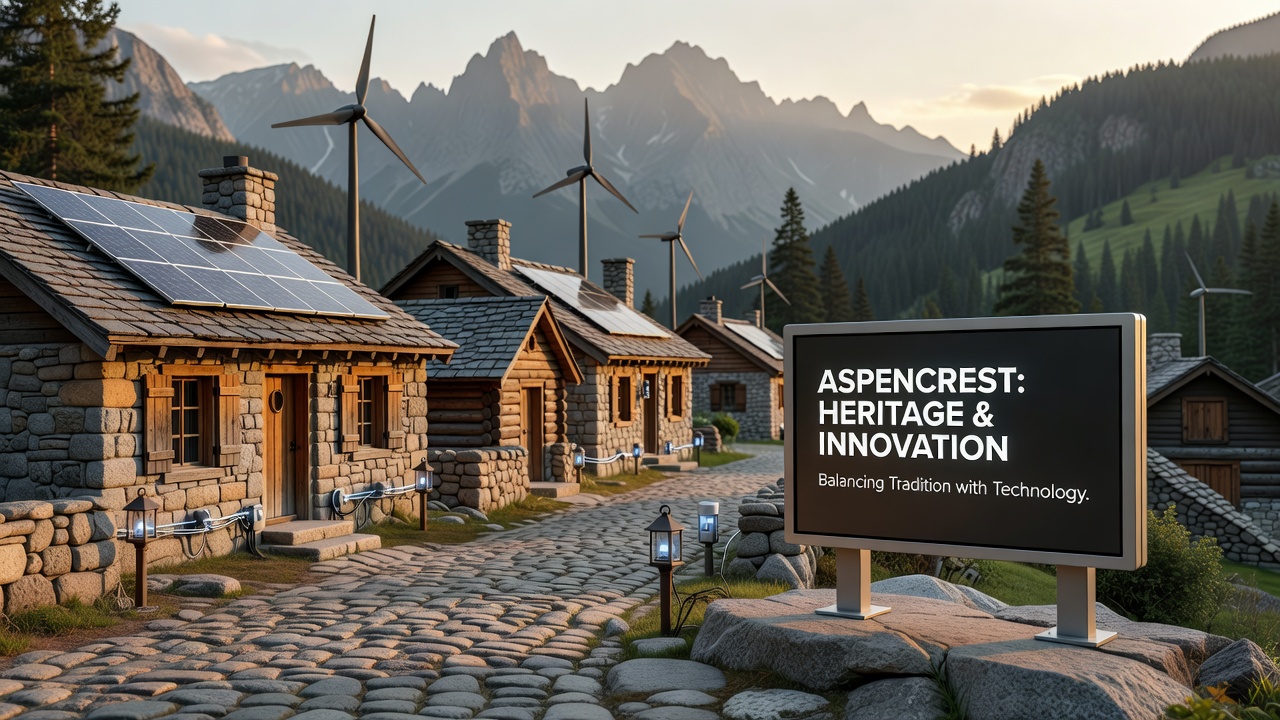
Secluded mountain hamlets like Aspencrest face ongoing pressures to maintain centuries-old building techniques, stone pathways, and communal gathering spaces while introducing reliable power systems, high-speed networks, and environmental monitoring tools that support daily life in remote terrain. These settlements often sit at elevations above 2,000 meters where winter access routes close for months, yet residents require consistent connectivity for medical alerts, supply coordination, and educational resources that reach beyond local borders.
Structural Integrity Meets Digital Infrastructure
Traditional timber-frame homes and slate-roofed barns in Aspencrest date back to the 18th century, and local building codes require that any new installations match original materials and sight lines. Fiber optic cables now run through existing utility trenches rather than new excavations, while small weatherproof junction boxes attach to barn walls using reversible brackets that leave no permanent marks once removed. Data collected from these networks shows connection speeds rising from under 5 Mbps in 2020 to over 300 Mbps by late 2025 in households that opted into the phased rollout.
Researchers tracking similar hamlets across the Alps note that micro-sensors placed inside walls detect moisture levels without drilling, and the readings feed into central systems that alert caretakers before structural damage spreads. In November 2026, Aspencrest completed a pilot where these sensors linked directly to regional avalanche forecasting centers, cutting response times by nearly half compared with previous manual observation methods.
Energy Solutions That Respect Historical Sight Lines
Solar panels on Aspencrest rooftops use low-profile frames finished in muted earth tones that blend with aged wood, and output data indicates each installation supplies 40 percent of a typical household's annual needs. Ground-source heat pumps draw warmth from beneath the permafrost layer while the surface equipment hides inside existing outbuildings. According to figures released by the Swiss Federal Office for Energy, comparable villages reduced diesel generator use by 65 percent after similar upgrades, lowering both emissions and noise that once echoed through narrow valleys.
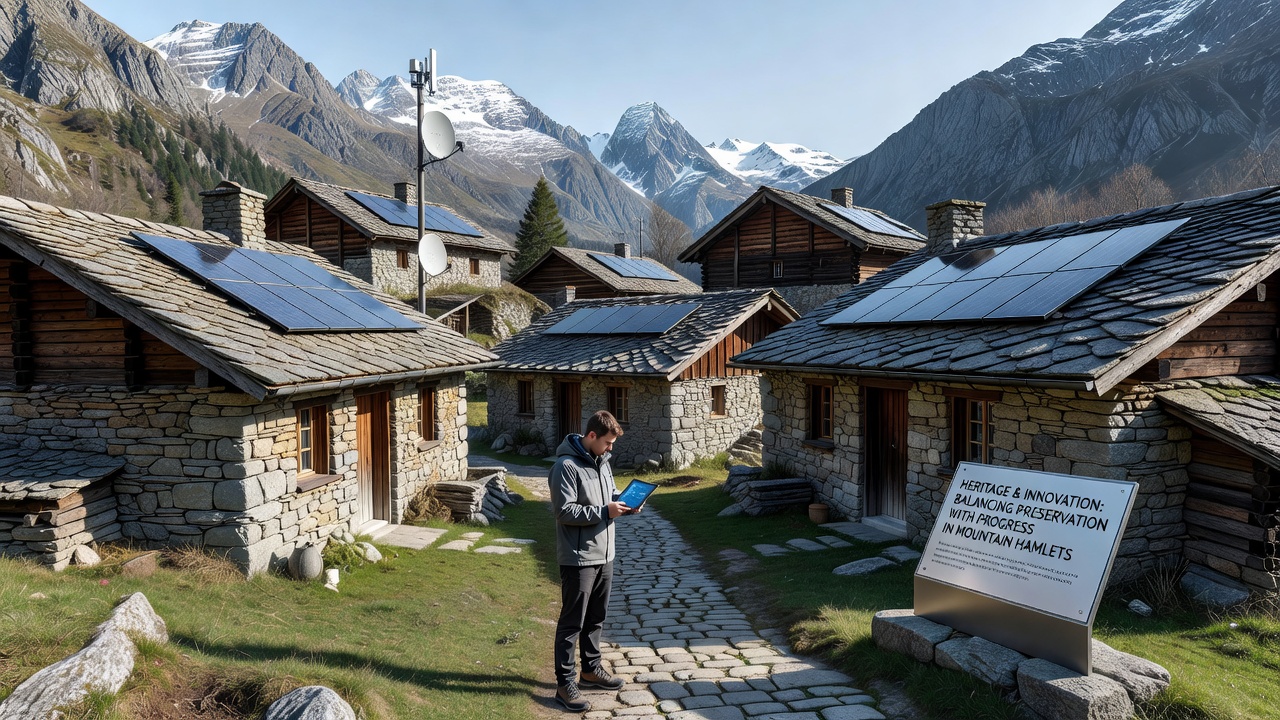
Observers note that wind turbines remain rare because blade visibility from valley floors violates preservation guidelines, yet small vertical-axis models mounted on barn ridges generate supplemental power for water pumps without altering the skyline. Battery storage units sit inside repurposed root cellars where temperature stays stable year-round, extending equipment life and keeping the technology out of view.
Community Governance and Phased Implementation
Local councils in Aspencrest review every proposed upgrade through a process that combines oral history sessions with digital modeling software. Elders describe past flood patterns and trail usage, while planners overlay 3D scans to test how new conduits would appear from key viewpoints. This approach has kept approval rates above 80 percent for projects that otherwise might face delays, according to records maintained by the regional heritage authority.
Training programs run seasonally inside the old schoolhouse, where residents learn to maintain the new systems using tools that fit traditional workshops. One study from the University of Innsbruck found that villages offering such hands-on sessions retained 30 percent more young adults over a five-year period than those relying solely on outside technicians.
Environmental Monitoring Without Landscape Alteration
Camera traps and acoustic sensors now track wildlife corridors that cross hamlet boundaries, and the data feeds into public dashboards updated every 24 hours. These devices mount on existing fence posts and use solar cells no larger than a paperback book. Reports compiled by Parks Canada on parallel efforts in the Canadian Rockies show that such non-invasive methods improved species count accuracy by 22 percent while avoiding new trail construction that could fragment habitats.
Water level gauges placed along streams connect to automated valves that adjust irrigation for small garden plots, preserving the historic practice of shared water rights while preventing overuse during dry spells. The entire network operates on low-power wide-area protocols that function even when cellular towers go offline during storms.
Conclusion
Aspencrest demonstrates how heritage sites can incorporate targeted technology through careful planning that prioritizes reversible changes and community input. Continued monitoring through 2026 and beyond will reveal whether these methods scale to other high-elevation settlements facing similar pressures from climate shifts and population changes.